Smart home technology continues to reshape modern living, and automated window coverings are becoming one of the most desirable upgrades for homeowners in 2026. Convenience, energy efficiency, and sleek aesthetics are driving more people toward smart solutions that make daily life easier. While traditional blinds and curtains still have their place, automated systems now offer features that fit perfectly into today’s connected homes.
Homeowners are increasingly looking for ways to improve comfort while reducing energy use, and smart window treatments deliver both. From remote operation to scheduled light control, these systems provide a practical balance between style and functionality. But before investing in them, many homeowners still ask an important question: are they truly worth the cost?
Why Smart Window Treatments Are Growing in Popularity
The popularity of automated window coverings has risen rapidly because homeowners value convenience more than ever before. Smart technology is no longer viewed as a luxury reserved for upscale homes. Instead, it has become an accessible solution for improving everyday routines.
One of the leading choices among homeowners is motorized roller shades because they provide a clean, minimal appearance while being incredibly easy to operate. With a remote control, smartphone app, or voice assistant, users can adjust lighting instantly without manually handling every window treatment in the house.
This convenience becomes especially useful in homes with tall windows, multiple rooms, or difficult-to-reach areas. Instead of walking from room to room throughout the day, homeowners can automate their shades to open and close according to sunlight levels or specific schedules.
In addition to convenience, automated systems also create a polished and clutter-free appearance. Since there are no dangling cords, rooms instantly feel cleaner and more modern.
Better Comfort and Energy Efficiency
Energy efficiency remains one of the biggest reasons homeowners invest in smart window coverings. Rising utility costs have encouraged many people to search for practical ways to maintain indoor temperatures without overworking heating and cooling systems.
Properly programmed motorized roller shades can help block harsh afternoon sunlight during summer months while allowing warmth to enter during cooler seasons. This reduces strain on HVAC systems and can contribute to lower energy bills over time.
Automated window treatments also improve indoor comfort throughout the day. Excessive glare on televisions, laptops, and mobile devices can become frustrating, especially in rooms with direct sun exposure. By adjusting automatically, shades help maintain a more comfortable environment without constant manual effort.
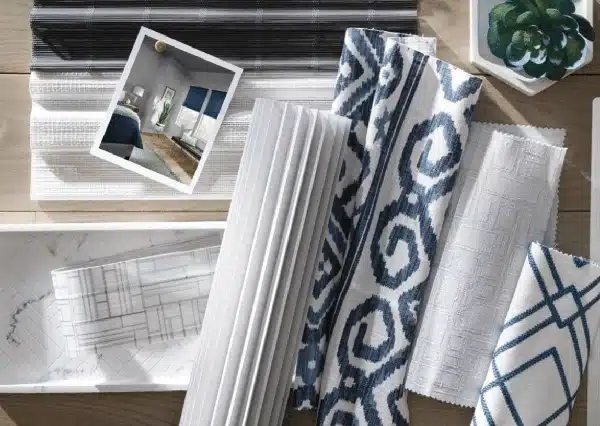
Many homeowners also choose roman window shades because they offer both insulation and elegance. Their soft fabric folds create a warm, inviting atmosphere while helping regulate indoor temperatures. These stylish treatments work particularly well in bedrooms, dining rooms, and living areas where homeowners want a more decorative look.
Safety and Convenience for Families
Another major benefit of automation is improved household safety. Traditional blinds often include hanging cords that may pose risks for young children and pets. Automated systems eliminate this concern by offering cordless operation.
For families with children, automated shades provide peace of mind while also creating a neater appearance throughout the home. Homeowners appreciate that smart systems combine functionality with safer design.
The smooth and controlled movement of automated systems can also reduce wear on materials over time. Because the shades operate consistently through a motorized mechanism, fabrics often experience less pulling and tugging compared to manually operated treatments.
Stylish Designs for Modern Homes
Today’s automated window coverings are available in a wide variety of colors, textures, and styles. Homeowners no longer have to sacrifice aesthetics to enjoy smart functionality. Instead, they can choose options that complement nearly any type of interior design.
Many homeowners prefer roman window shades because they combine timeless elegance with modern convenience. Their soft folds add texture and sophistication to spaces while still offering the benefits of automation. They are especially popular in homes with transitional or classic décor styles.
For homeowners seeking a more contemporary appearance, motorized window shades provide a sleek and streamlined solution. Their clean lines work beautifully in minimalist interiors, home offices, and modern living spaces. They also pair well with smart home ecosystems, allowing users to integrate lighting, security, and climate control into one seamless system.
Battery-powered models have also become more advanced in 2026. Many systems now feature rechargeable batteries and quieter motors, making installation simpler and operation nearly silent.
Are Automated Shades Worth the Investment?
The value of automated shades ultimately depends on a homeowner’s lifestyle, design goals, and long-term priorities. While they may require a larger upfront investment than traditional window coverings, their advantages often outweigh the initial cost.
Homeowners who prioritize convenience, energy savings, and smart home integration frequently find that motorized window shades improve both comfort and daily efficiency. Automated systems also contribute to a more modern and luxurious atmosphere that many buyers appreciate in today’s housing market.
At the same time, stylish options like roman window shades allow homeowners to enjoy advanced functionality without compromising the visual appeal of their interiors. Whether the goal is reducing glare, increasing privacy, or enhancing home automation, these window treatments continue to prove their value.
As smart home technology becomes increasingly common, automated window coverings are no longer considered a passing trend. In 2026, they represent a practical upgrade that combines beauty, comfort, safety, and efficiency into one smart investment for modern living.